Rebels with a Cause: Working with Adolescents Using Action Techniques. 7 modules
Discover the efficacy of action methods in work with youth, under the guidance of expert Mario Cossa, USA/Bali
$300 (One Module) - 180 days access
Countries of resedence are grouped into pricing Bands A–D, offering 30–70% discounts, applied to all modules and courses. Find your band here.
About the Course:
Working with adolescents presents a unique set of challenges due to the accelerated neurological, biological, and social changes that occur from the onset of puberty into early adulthood. This course offers an in-depth exploration of the developmental challenges specific to this population, while emphasizing the effectiveness of action methods in engaging with youth. Gain valuable insights into establishing and cultivating better working relationships with adolescents, understanding their developmental challenges, and effectively addressing issues. This course provides a transformative perspective, equipping you with the tools to better navigate the challenges of working with adolescents during this critical stage of their lives.
This module is designed for those who work with youth (11 to 24 years old):
• Therapists
• Social workers
• Psychologists
• Counselors (including substance use counselors)
• Psychodramatists
• Educators
• Coaches
• Parents
Appropriate for those who are new to action methods, as well as experienced practitioners, students in mental health fields, and those who want to develop their skills in action methods. Acting skills are not necessary.
Learning Objectives:
• Describe physical, neurological, and social changes that occur during adolescence
• Define the age range currently considered as “adolescence”
• Define the TSM Psychodrama Prescriptive Roles of Restoration, Observation, & Containment and recite at least one action activity that supports the development of these 3 types of roles.
• List the age characteristics that divide adolescent development into various stages.
• Describe similarities and differences between developmental challenges of contemporary adolescents and those of previous generations.
• List and define the stages of group development and the challenges for each stage.
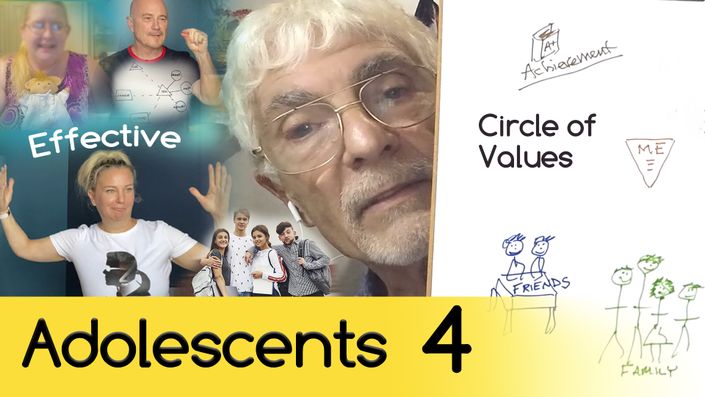
• Describe the relationship of The Circle of Values to the sociometric activity The Social/Cultural Atom and facilitate the process for creating a Circle of Values on paper and in action.
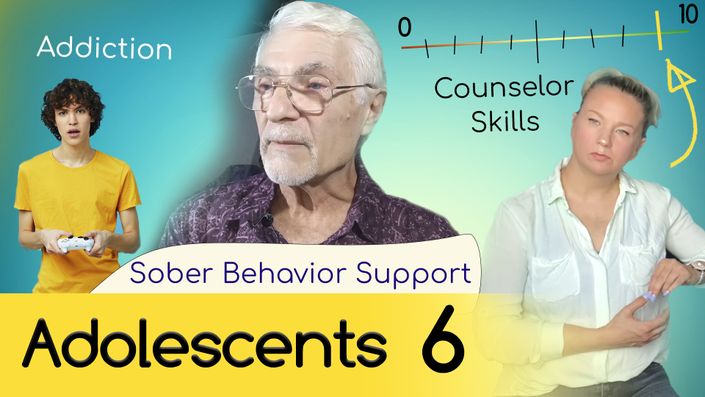
• Describe how “addictions” can be defined in physical, neurological, and behavioral terms.
• Describe how to create the Social/Cultural Atom from a specific time in the participants' adolescence.
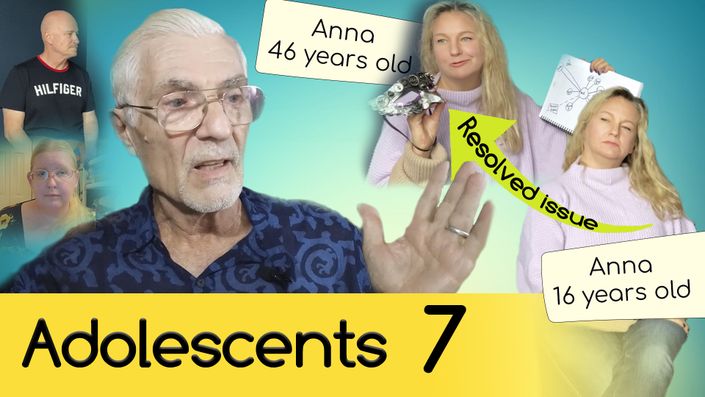
• Name the roles from adolescence that no longer serve adult selves.
Course highlights:
• Warm Up: Describe the developmental needs of Adolescents and the ways that action methods can support youth workers in guiding members of this population.
• Directing Skills: Describe how to direct action techniques suited to working with adolescents.
How and where to use:
• Class management
• Group engagement
• Group members to get to know each other and relate to each other
• Teaching new skills
• Conflict in the class
• New group formation
• Substance use counseling
• Therapeutic groups.
• In Clinical and non-clinical setting
• Individual and group setting
• Online and in-person (therapy, counseling, classes, group leading)
• In single sessions (classes, summer camps activities etc.)
• Parenting and parenting classes
• Substance use setting
Presenter:
Mario Cossa RDT/MT, TEP, TSM Trainer – founder and Director of Motivational Arts Unlimited, and recipient of the ASGPP Innovator’s Award, 2019. Mario brings decades of experience as a group facilitator and psychodrama director and has worked in the USA, Canada, the UK, Australia, New Zealand, Malaysia, Indonesia, Korea, and China.
Module Includes:
Main Content:
• Videos - 710 min
• Handouts - 360 min
• Test - 30 x 7 min
• Course Survey - 5 x 7 min
Recommended Content:
• Psychodrama with Adolescents. Interview with M.Cossa. Part 1.
• Psychodrama with Adolescents. Interview with M.Cossa. Part 2.
• Psychodrama with Adolescents. Interview with M.Cossa. Part 3.
• Practicum - 510 min
Hours for Certificate:
• 30.5 training hours on the Action Explorations Education Certificate. Our courses may be applied toward professional certification/training hours, depending on your board’s policies. Please verify eligibility with your certifying board or primary trainer. We’re happy to connect and answer questions about course content, hours, and documentation. Reach out anytime with your questions.